The Future of AI in Marketing: Navigating the Next 5, 10, and 20 Years

Artificial Intelligence (AI) is rapidly changing the way industries function, especially in marketing. As we look toward the future, it is vital to understand the current state of AI in marketing and the exciting developments expected in the next 5, 10, and 20 years. What transformations can we anticipate, and how can businesses prepare for them?
Current Landscape of AI in Marketing
In 2023, we see AI technologies becoming an integral part of marketing strategies across numerous sectors. Companies are now using AI to analyze consumer behavior, predict market trends, and create personalized customer experiences. For instance, brands like Netflix and Amazon leverage AI algorithms to recommend products and content tailored specifically to individual users. This personalization has led to a reported 29% increase in sales for companies implementing such strategies.
Furthermore, chatbots, predictive analytics, and content generation tools are now commonly used in marketing. According to a Salesforce report, 69% of consumers prefer chatbots for quick communications on simple questions. By automating responses, businesses can engage clients more effectively and increase conversion rates.
Automation has become essential in eliminating repetitive tasks. Marketers now rely on AI to streamline processes, such as email marketing and lead scoring, reducing the amount of manual work needed. This not only saves time but also enhances precision in marketing efforts.

The Next 5 Years: Immediate Trends and Predictions
As we look ahead to the next five years, we can expect remarkable advancements in AI applications within marketing. Hyper-personalization will likely become more prevalent, as AI tools analyze vast amounts of consumer data to craft highly tailored experiences. For example, an AI-driven email marketing campaign targeting specific customer segments has shown to boost open rates by 50%.
Natural language processing (NLP) will improve, making chatbots and virtual assistants not just functional but also intuitive. Enhanced conversational capabilities will allow these AI agents to provide more relevant information quickly, leading to better customer support. In fact, according to Gartner, by 2025, 75% of customer interactions will be managed by AI.
Additionally, we will see automated reporting features emerging in marketing analytics. These developments will allow companies to make data-driven decisions rapidly, adapting their strategies based on real-time insights. Early adopters of these technologies may experience conversion improvements of up to 30%.
The 10-Year Horizon: Integration and Innovation
Looking into the next ten years, AI will transform marketing from the ground up. The integration of AI will be more profound, becoming a core part of marketing strategies rather than just a supplementary tool. Companies like Coca-Cola are already experimenting with AI to create data-driven advertising campaigns, and we can anticipate more brands following suit.
Creativity combined with AI analytics will redefine branding. Organizations might use AI to generate unique content and optimize creative designs, potentially decreasing time-to-market by up to 25%. The synergy between human creativity and machine learning will elevate marketing campaigns toward imaginative yet data-informed strategies.
However, ethical considerations surrounding AI usage will also rise to the forefront. Companies will need responsible guidelines to navigate consumer privacy concerns. According to a recent survey, 81% of consumers are concerned about data privacy, indicating the need for transparency in how businesses utilize AI technology.

Challenges and Opportunities Ahead
Although the possibilities of AI in marketing are vast, several challenges exist. Data privacy remains a substantial concern. As businesses deepen their use of AI, they must establish robust data governance policies to protect consumer information. A commitment to transparency will be vital in maintaining customer trust, which statistics show is increasingly paramount in today's market.
Moreover, as AI gains traction, there will be a noticeable skills gap among marketers. Familiarity with data analytics and AI technologies will be essential. Training and education investments will elevate a company's capabilities and cultivate a culture of continuous learning and innovation.
For those who adapt quickly, the opportunities are abundant. Companies that leverage AI tools effectively will enhance operations, foster deeper consumer connections, and drive growth in innovative ways. The potential for marketing success is extraordinary for those willing to embrace change.
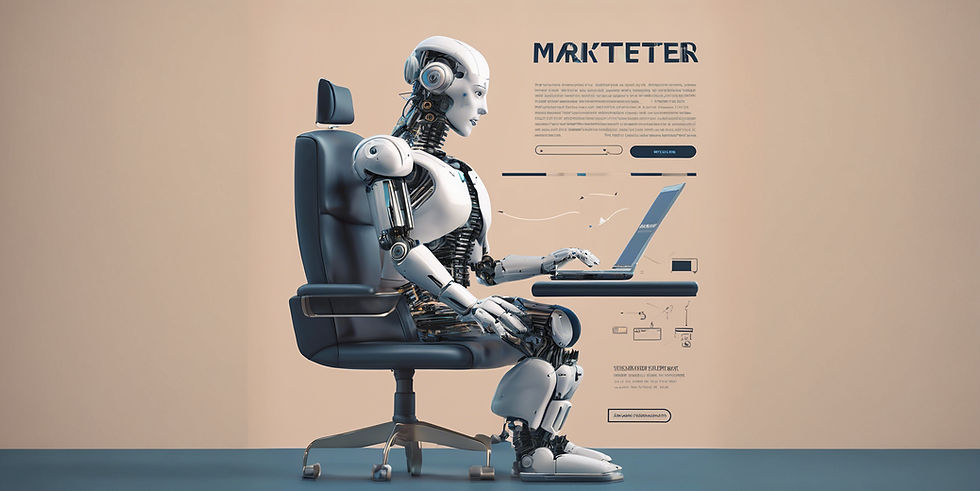
Looking Ahead: Embracing the Future of AI
We are only starting to uncover the vast potential of AI in marketing. Over the next 5, 10, and 20 years, AI will not only enhance current practices but will fundamentally reshape them. As we move forward, staying abreast of trends and seizing the opportunities presented by AI will be vital for marketers.
By approaching AI with a commitment to ethical practices and a focus on skill development, the future of marketing can be incredibly creative, efficient, and engaging. As we navigate this evolving landscape, organizations that adapt and innovate will lead the way into the new era of marketing, setting new standards for success.


Comments